Sudden Skin Aging – Why It Happens and What You Can Do About It
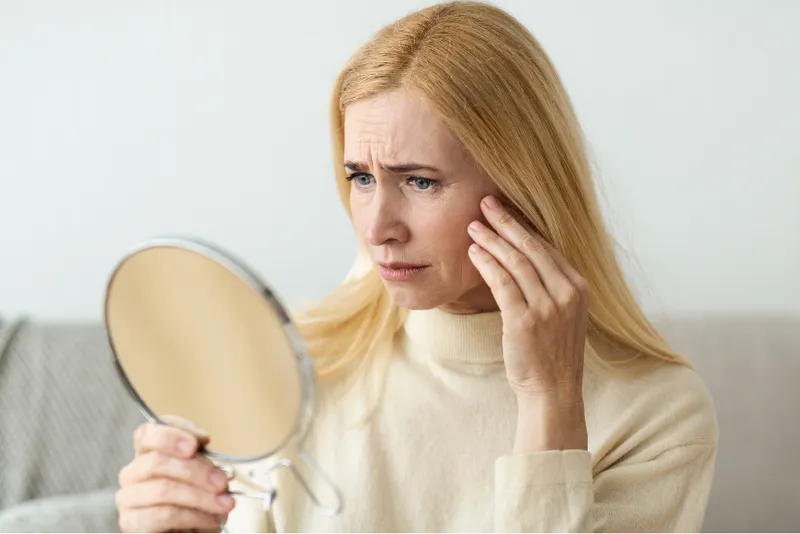
At some point, many people notice that their facial appearance seems to have changed surprisingly quickly. The skin may look more tired, the jawline less defined, and the overall expression somehow heavier, even though nothing significant has changed in daily life.
This is often described as sudden skin aging. In reality, however, the skin does not age overnight. What’s happening is that gradual changes beneath the surface become visible all at once.
Why can skin appear to age suddenly?
Premature skin aging is closely linked to structural changes that occur over time. Collagen and elastin production begin to decline relatively early, while the skin itself becomes thinner. This so-called thin skin no longer supports the facial structure the way it once did.
When this is combined with weakening facial muscles and the natural descent of tissues, the signs of facial aging become more noticeable. In most cases, the change hasn’t been sudden, it has simply become visible.
What happens to the skin as we age?
Skin aging is not just a surface-level process. Changes occur deeper within the tissue, affecting the overall structure of the face.
Over time, the skin gradually loses elasticity and its ability to bounce back. This is especially visible in areas where the skin is naturally thinner, such as around the eyes and the neck. Changes along the jawline also become more apparent as tissues lose their firmness.
These age-related changes explain why the skin may begin to look lax, even with a consistent skincare routine.
What does facial aging look like?
The first signs are often not individual wrinkles, but a shift in the overall appearance. Sagging facial skin can make the face look more tired, and the jawline may lose definition.
At this stage, many begin to consider options such as jawline contouring or non-surgical eyelid lifting, as these areas tend to show changes first.
However, as mentioned, this is not just about the skin, it’s about the entire facial structure.
Why skincare alone is not enough
High-quality skincare is essential, but it has its limitations. Creams and serums primarily affect the surface of the skin and cannot address deeper structural changes such as tissue descent or muscle weakening.
When the goal is skin tightening or improving skin laxity, treatments need to work below the surface, where the actual changes are taking place.
Non-surgical face lifting – how does it work?
Today, more people are looking for alternatives to surgery. A non-surgical facelift, also known as a needle-free or non-invasive face lift, is based on stimulating the skin and underlying tissues to regenerate.
The goal is not to alter facial features, but to restore their natural structure and support.
EMFACE – a modern non-surgical facelift
EMFACE represents a new approach to facial rejuvenation and skin tightening. What sets it apart is that it does not focus solely on the skin.
The treatment works simultaneously on:
- skin quality
- facial muscles
By activating muscles and stimulating collagen production, it improves the structural support of the face. This results in a natural lifting effect—without fillers or surgery.
Which areas can be treated?
The treatment can be targeted to areas where changes become visible first. The jawline, cheeks, and eye area often benefit the most.
For this reason, it is also used in cases where subtle chin and jawline contouring is desired.
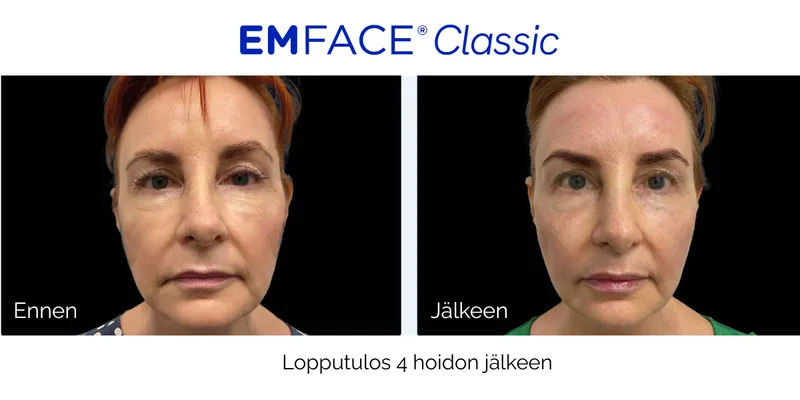
What do the results look like?
Many people wonder what the best non-surgical facelift is or how treatments compare to options like HIFU.
One of the key differences is that EMFACE also targets the muscles. This means the result is not just tighter skin, but a more balanced and supported facial structure.
The skin appears firmer, and facial features gradually return closer to their original shape. The change is not immediate but develops over time, which contributes to a natural-looking result.
Who is the treatment suitable for?
This type of treatment is especially suitable when:
- the skin has started to lose firmness
- the face appears more tired
- there is a desire to prevent premature skin aging
It is also a good option for those who prefer to avoid fillers or surgical procedures.
Sudden skin aging is not actually sudden
What appears as sudden aging is, in reality, the result of gradual changes occurring over time in both the skin and underlying tissues.
When we understand that these changes involve both skin and muscles, it becomes possible to choose treatments that address both. In this way, a non-surgical facelift becomes a realistic and effective option.
When should you consider treatment?
If your skin appears to have changed in a short period of time or your facial contours have lost definition, it may be worth evaluating the situation early.
During a consultation, the condition of the skin is assessed and a personalized treatment plan is created to support natural skin tightening and restore facial structure in a balanced way.
FAQ – Skin Tightening and Non-Surgical Facelift
What is the best non-surgical facelift?
The best treatment depends on your skin condition. EMFACE is one of the most effective options because it targets both muscles and skin.
Do non-surgical facelifts really work?
Yes. When performed correctly, a non-surgical facelift can tighten the skin and lift facial features without surgery. However, it’s important to understand that results are more subtle than surgical procedures and develop gradually.
Can the jawline be improved without fillers?
Yes. Jawline contouring can be achieved with treatments that tighten the skin and strengthen underlying muscles. For example, EMFACE Submentum targets the chin and jawline area, helping to improve firmness and definition.
How does skin tightening work?
Skin tightening is based on stimulating collagen production and strengthening the skin’s underlying structure.
Who is EMFACE best suited for?
The treatment is suitable for individuals with mild to moderate skin laxity, early signs of facial aging, or those looking to prevent changes before they become more pronounced.
'%3e%3cpath%20d='M19.906%200H6.094A6.094%206.094%200%200%200%200%206.094v13.812A6.094%206.094%200%200%200%206.094%2026h13.812A6.094%206.094%200%200%200%2026%2019.906V6.094A6.094%206.094%200%200%200%2019.906%200z'%20fill='url(%23b)'/%3e%3cpath%20d='M19.906%200H6.094A6.094%206.094%200%200%200%200%206.094v13.812A6.094%206.094%200%200%200%206.094%2026h13.812A6.094%206.094%200%200%200%2026%2019.906V6.094A6.094%206.094%200%200%200%2019.906%200z'%20fill='url(%23c)'/%3e%3cpath%20d='M13%202.844c-2.757%200-3.104.012-4.187.061-1.081.05-1.82.22-2.465.472A4.973%204.973%200%200%200%204.55%204.548a4.985%204.985%200%200%200-1.172%201.8c-.252.645-.423%201.383-.472%202.464-.049%201.083-.061%201.43-.061%204.188s.012%203.104.061%204.187c.05%201.081.221%201.82.472%202.465.26.668.607%201.235%201.171%201.799a4.972%204.972%200%200%200%201.799%201.172c.646.251%201.384.422%202.465.472%201.084.05%201.43.062%204.188.062s3.103-.013%204.187-.062c1.08-.05%201.82-.22%202.466-.472a4.967%204.967%200%200%200%201.798-1.172%204.985%204.985%200%200%200%201.172-1.799c.25-.646.421-1.384.472-2.465.049-1.083.061-1.429.061-4.187s-.012-3.104-.061-4.188c-.05-1.081-.222-1.819-.472-2.465a4.985%204.985%200%200%200-1.172-1.799%204.962%204.962%200%200%200-1.799-1.171c-.647-.251-1.386-.422-2.467-.472-1.083-.05-1.428-.061-4.187-.061H13zm-.91%201.83H13c2.713%200%203.034.01%204.105.058.99.046%201.528.211%201.886.35.474.184.812.404%201.167.76.355.355.575.694.76%201.168.139.357.305.895.35%201.885.048%201.07.059%201.392.059%204.103%200%202.71-.01%203.032-.06%204.103-.045.99-.21%201.527-.35%201.885a3.138%203.138%200%200%201-.76%201.166%203.14%203.14%200%200%201-1.166.76c-.358.14-.896.305-1.886.35-1.07.049-1.392.06-4.104.06s-3.033-.011-4.104-.06c-.99-.046-1.528-.211-1.886-.35a3.146%203.146%200%200%201-1.168-.76%203.147%203.147%200%200%201-.76-1.167c-.139-.358-.305-.895-.35-1.885-.048-1.071-.058-1.393-.058-4.105%200-2.712.01-3.032.058-4.102.046-.99.211-1.528.35-1.886.184-.474.405-.813.76-1.168a3.15%203.15%200%200%201%201.168-.76c.358-.14.896-.305%201.886-.35.937-.043%201.3-.055%203.193-.058v.003zm6.332%201.686a1.219%201.219%200%201%200%200%202.438%201.219%201.219%200%200%200%200-2.438zm-5.421%201.424a5.216%205.216%200%201%200%200%2010.432%205.216%205.216%200%200%200%200-10.432zm0%201.83a3.385%203.385%200%201%201%200%206.771%203.385%203.385%200%200%201%200-6.77z'%20fill='%23fff'/%3e%3c/g%3e%3cdefs%3e%3cradialGradient%20id='b'%20cx='0'%20cy='0'%20r='1'%20gradientUnits='userSpaceOnUse'%20gradientTransform='matrix(0%20-25.7679%2023.9662%200%206.906%2028.003)'%3e%3cstop%20stop-color='%23FD5'/%3e%3cstop%20offset='.1'%20stop-color='%23FD5'/%3e%3cstop%20offset='.5'%20stop-color='%23FF543E'/%3e%3cstop%20offset='1'%20stop-color='%23C837AB'/%3e%3c/radialGradient%3e%3cradialGradient%20id='c'%20cx='0'%20cy='0'%20r='1'%20gradientUnits='userSpaceOnUse'%20gradientTransform='matrix(2.26073%2011.29436%20-46.55571%209.3188%20-4.355%201.873)'%3e%3cstop%20stop-color='%233771C8'/%3e%3cstop%20offset='.128'%20stop-color='%233771C8'/%3e%3cstop%20offset='1'%20stop-color='%2360F'%20stop-opacity='0'/%3e%3c/radialGradient%3e%3cclipPath%20id='a'%3e%3cpath%20fill='%23fff'%20d='M0%200h26v26H0z'/%3e%3c/clipPath%3e%3c/defs%3e%3c/svg%3e)
'%3e%3cpath%20d='M26%2013c0-7.18-5.82-13-13-13S0%205.82%200%2013c0%206.489%204.754%2011.867%2010.969%2012.842v-9.084H7.668V13h3.3v-2.864c0-3.258%201.942-5.058%204.911-5.058%201.422%200%202.91.254%202.91.254v3.2h-1.64c-1.614%200-2.118%201.001-2.118%202.03V13h3.606l-.577%203.758h-3.029v9.084C21.246%2024.867%2026%2019.49%2026%2013z'%20fill='%231877F2'/%3e%3cpath%20d='M18.06%2016.758L18.637%2013H15.03v-2.438c0-1.029.504-2.03%202.119-2.03h1.64v-3.2s-1.489-.254-2.911-.254c-2.97%200-4.91%201.8-4.91%205.058V13H7.668v3.758h3.3v9.084a13.094%2013.094%200%200%200%204.063%200v-9.084h3.03z'%20fill='%23fff'/%3e%3c/g%3e%3cdefs%3e%3cclipPath%20id='a'%3e%3cpath%20fill='%23fff'%20d='M0%200h26v26H0z'/%3e%3c/clipPath%3e%3c/defs%3e%3c/svg%3e)