Laser Hair Removal vs. IPL Hair Removal – Which Is Right for You?
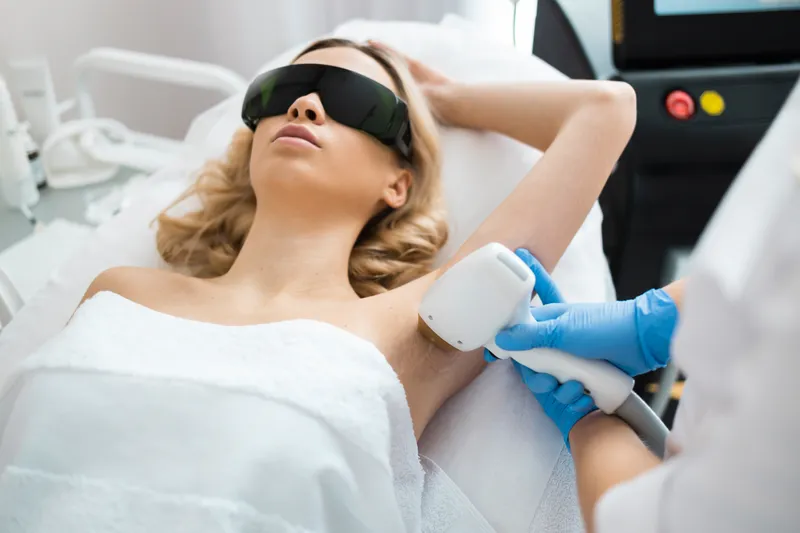
After shaving or plucking unwanted hair, it doesn't take long for it to grow back. Whether you're dealing with hair on your upper lip, underarms, bikini line or legs, you may be wondering if there's a way to reduce the need for constant hair removal.
How Do Laser Hair Removal and IPL Hair Removal Work?
Laser devices emit light at a specific wavelength, while IPL (Intense Pulsed Light) devices use short pulses of light containing multiple wavelengths. Filters within the IPL device determine which wavelengths reach the skin.
With both methods, melanin, the pigment responsible for hair colour, absorbs light energy and converts it into heat. This heat damages the hair follicle, potentially reducing future hair growth. Treatment is most effective on hairs in their active growth phase. However, hairs within the same treatment area are at different stages of their growth cycle. This is why multiple sessions are scheduled to target hairs that enter the active growth phase at different times.
Alexandrite Laser, Diode Laser, Nd:YAG or IPL?
In addition to the melanin in hair, pigment in the skin also absorbs light energy. As a result, the same device and settings may not be suitable for every skin tone. If you're considering laser hair removal in Helsinki, it's worth finding out which device is used during treatment and why it's suitable for your skin.
Alexandrite laser may be particularly suitable for lighter skin tones with dark hair. Its 755 nm wavelength is efficiently absorbed by melanin. However, darker or tanned skin may absorb more energy, increasing the risk of adverse skin reactions.
Diode lasers used for hair removal typically operate at wavelengths of approximately 800–810 nm. This is longer than the 755 nm wavelength of an Alexandrite laser and is absorbed to a lesser extent by melanin in the skin's outer layers. Diode lasers may be suitable for treating dark hair across different skin tones, although suitability depends on the specific device and its settings.
Long-pulsed Nd:YAG lasers may be an option for darker skin tones, particularly when the hair is dark and coarse. Their 1,064 nm wavelength is absorbed less readily by melanin in the outer layers of the skin, potentially reducing the risk of pigmentation changes in darker skin.
IPL hair removal may also be suitable for treating dark hair when the device and its settings are appropriate for the individual's skin tone. IPL devices vary in their filters and pulse settings, so suitability must always be assessed based on the specific device and treatment applicator.
How Can You Narrow Down Your Options?
If you have dark, coarse underarm hair and fair skin, for example, both laser and IPL hair removal may be suitable options. Dark hair contains a high concentration of light-absorbing pigment, while lighter skin contains less.
If both your skin and hair are dark, it's particularly important to consider how much light energy is absorbed by the outer layers of your skin. In this case, a long-pulsed Nd:YAG laser may be worth considering.
If the treatment area mainly contains fine, light-coloured hair, switching devices may not necessarily improve the results because these hairs contain very little light-absorbing pigment.
If several methods appear suitable, ask about the practitioner's experience treating your skin tone. It's also worth discussing how the methods differ in terms of potential skin reactions and what measures are used to protect your skin during treatment.
Alma Harmony XL Pro and Hair Removal
At MESQ AESTHETICS, treatments are performed using the Alma Harmony XL Pro system. One of the system's hair removal applicators is Speed AFT, which uses IPL light pulses.
Facial and Body Hair Removal – Why Does the Treatment Plan Vary?
If you're considering hair removal for both your upper lip and legs, for example, it's worth requesting a separate assessment for each area. Hair growth cycles vary across different parts of the body, affecting how treatment sessions should be scheduled.
Hair characteristics can also differ. One area may have dark, coarse hair, while another has finer, lighter hair. Therefore, the recommended treatment intervals or expected results for one area may not apply to another.
According to a research review examining long-term outcomes, laser treatments resulted in less hair reduction on the face than on areas such as the legs. Greater hair reduction was also observed in IPL treatments targeting the underarms. Even if you've achieved good results with underarm hair removal, the expected outcome for your upper lip should still be assessed separately.
Facial Hair Removal – What Should You Consider When Treating the Upper Lip and Chin?
Hair growth on the upper lip and chin should be evaluated separately. For example, you may have a few thick, dark hairs on your chin, while the hair on your upper lip is fine and light-coloured.
Dark, coarse hairs generally respond better to light-based hair removal treatments. Very light or grey hairs contain little light-absorbing pigment, which may limit treatment effectiveness.
Hormonal changes can also affect facial hair growth. For example, new dark hairs may appear on the chin even after previously treated hairs have been reduced.
If you've noticed a significant increase in coarse facial hair growth over a few months, particularly if it's accompanied by irregular menstrual cycles, it's advisable to consult a doctor to investigate the cause.
In rare cases, laser or IPL treatments can also stimulate increased hair growth. This phenomenon has been observed particularly on the face and neck. If you're considering treating a large area of fine facial hair, it's important to discuss the potential benefits and expected results beforehand.
How Many Hair Removal Sessions Are Needed, and How Are Treatment Intervals Determined?
Achieving a noticeable reduction in hair growth usually requires multiple treatment sessions. When planning a course of treatment, ask for an estimate of both the number of sessions required and the overall duration of the treatment programme.
Treatment intervals are important because each session should ideally be scheduled when new hairs have entered their active growth phase.
If you're treating both your upper lip and legs, for example, different treatment intervals may be recommended for each area. Your treatment plan will depend on the area being treated, the method used and how your hair growth changes throughout the treatment programme.
After laser treatment, treated hairs may begin to shed between sessions. When evaluating results, it's important to monitor how much hair grows back and whether the regrowth becomes finer.
For example, if you previously needed to shave your underarms every few days, you can monitor whether the time between shaving sessions increases as treatment progresses.
It's worth agreeing with your practitioner in advance on when results will be assessed and how decisions about continuing treatment will be made.
What Results Can You Expect?
Long-term hair reduction means that fewer hairs grow back in the treated area than before treatment. Any regrowing hairs may also become finer.
The duration of results varies from person to person, and some clients may require maintenance treatments later. For example, the results of chin hair removal should be assessed based on how much hair grows back and how often it needs to be removed.
Following treatment, you may experience redness and mild swelling around the hair follicles. Other possible side effects include burns, blisters and temporary or, in some cases, permanent darkening or lightening of the skin.
How Should You Prepare for Treatment, and What Happens Afterwards?
Before your first appointment, inform your practitioner about any medications you're taking, existing skin conditions and whether your skin has recently been exposed to tanning. This information helps determine whether treatment can proceed as planned or should be postponed.
If you've recently waxed or plucked the treatment area, let your practitioner know when you last did so. Waxing and plucking remove hair from the root, whereas shaving only cuts the visible hair at the skin's surface. This is why shaving is generally recommended when preparing an area for laser hair removal.
Ask your clinic for specific instructions on when to shave and how long you should avoid other hair removal methods before treatment.
During laser treatment, appropriate eye protection is used. The light pulses may feel like a brief snapping sensation or warmth against the skin. Some devices also use skin cooling technology to protect the skin's surface and make treatment more comfortable.
Treating a small area, such as the upper lip, may take only a few minutes, while larger areas require more time.
Mild redness and swelling after treatment usually settle on their own. A cool compress may help relieve any sensation of heat in the skin.
It's important to protect treated skin from the sun, including between treatment sessions, and follow your clinic's sun protection instructions. If blisters develop or a skin reaction becomes more severe, contact your treatment provider.
If you're planning a course of hair removal treatments, ask in advance what results are realistic for your chosen treatment area and when progress will be evaluated.
It's also worth finding out how the treatment plan may be adjusted if hair reduction is less significant than expected. This will help you understand how decisions about additional sessions will be made before starting treatment.
If you're considering hair removal, you can contact MESQ AESTHETICS to discuss which method may be suitable for your chosen treatment area and what results you can realistically expect.
Frequently Asked Questions
How Do At-Home Hair Removal Devices Differ From Professional Clinic Devices?
Many at-home hair removal devices use IPL technology, although laser devices designed for home use are also available.
Home devices are used according to the manufacturer's specified settings and approved treatment areas. In a professional clinic, the practitioner selects device settings based on the individual's skin and hair characteristics.
Research findings from one at-home device cannot automatically be applied to every model. Always check the manufacturer's instructions to confirm which skin tones, hair colours and treatment areas the device is suitable for.
Can You Shave Between Hair Removal Sessions?
You can generally shave between treatment sessions. However, waxing and plucking should be avoided because they remove hair from the root.
Follow your clinic's instructions on when to shave the treatment area before your next appointment.
When Does Treated Hair Start to Shed?
Hair treated with laser technology usually begins to shed gradually over the days or weeks following treatment.
If hair is still visible immediately after your appointment, it's too early to assess the final results.